
Vincent Parco Consulting LLC
Private Investigations
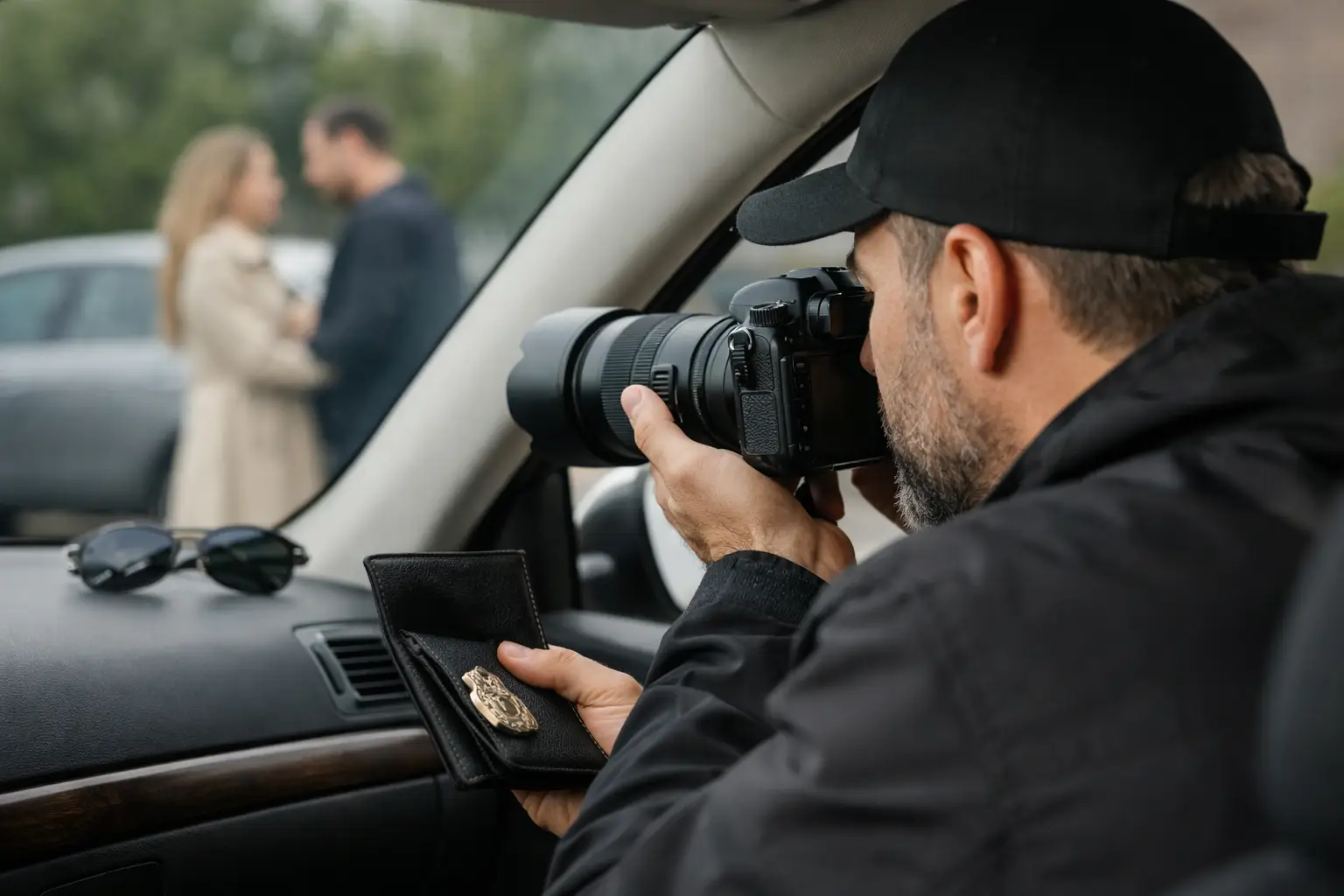
A suspicious bank transfer. A parent who suddenly claims they cannot pay support. An insurance claim that does not add up. These are not problems solved by guesses or internet searches. So, what does a private investigator do? A qualified investigator finds facts, verifies them, documents them properly, and gives clients the information they need to make a hard decision or take legal action.
Private investigation is not television. There is no license to break the law, hack accounts, or sneak into private property. The real work is more disciplined than that. It involves records, surveillance, interviews, financial patterns, public sources, fieldwork, and the experience to recognize when a story is falling apart.
A private investigator is hired to uncover information that is not readily available, confirm information that may be false, or locate evidence that matters in a dispute. The assignment may come from an attorney preparing a case, a business facing a fraud concern, an insurer reviewing a questionable claim, or a person who has reason to believe they are being deceived.
The job begins with the right questions. What needs to be proven? What is merely suspected? What will hold up under scrutiny? A seasoned investigator does not waste a client’s money chasing every rumor. The objective is to identify the facts that change the outcome.
For a divorce or child support matter, that may mean determining whether someone has undisclosed employment, income-producing activity, property, vehicles, business interests, or other assets. In an insurance matter, it may mean documenting activity that conflicts with a claimed injury or loss. For an attorney, it may mean finding a witness, locating a defendant, checking a timeline, or developing evidence that supports a legal theory.
The work is often quiet. The client may only see a report, photographs, video, records, and a clear explanation of what was found. Behind that final product can be hours of planning, observation, verification, and careful documentation.
People often call a private investigator when they feel they already know the answer. Maybe they believe a former spouse is hiding money. Maybe an employee is stealing. Maybe a business partner has been dishonest. That instinct may be right, but instinct is not evidence.
A professional investigation separates what someone believes from what can be shown. That distinction matters when money, custody, reputation, insurance coverage, or a courtroom is involved. Unsupported accusations can backfire. Reliable evidence gives an attorney, insurer, employer, or individual a foundation for action.
Documentation is a major part of the job. An investigator records dates, times, locations, observations, source information, and the steps taken to verify a fact. If surveillance is used, the investigator may obtain photographs or video from lawful public vantage points. If records are located, their relevance and source must be clear. A report should tell the story without exaggeration.
Good investigators also know what they cannot prove. That is not weakness. It is professional judgment. A report that clearly distinguishes verified facts from unresolved questions is far more valuable than one loaded with assumptions.
The work changes based on the problem, but many serious assignments fall into a few categories.
When someone claims to be broke while living well, the money trail deserves attention. Asset investigations can identify real estate holdings, corporate connections, vehicles, liens, judgments, possible banking relationships, business activity, and other indicators of financial capacity. They are frequently used in divorce, child support, collections, partnership disputes, and civil litigation.
Finding an asset is only part of the assignment. The harder question is whether the asset is actually connected to the person at issue, whether it has value, and whether the information can help counsel take the next step. Financial investigations require patience because ownership can be layered through relatives, companies, trusts, or nominees.
Surveillance is used when a person’s actions matter more than their statements. It can be relevant in injury claims, workers’ compensation matters, disability cases, custody disputes, employee misconduct investigations, and infidelity concerns.
This work is not about following someone recklessly. It requires planning, legal awareness, discretion, and accurate reporting. A few minutes of footage can be misleading without context. A reliable investigator documents the full picture: where the subject went, what they did, how long it lasted, and whether the activity actually relates to the claim being investigated.
Fraud is usually built on a false narrative, but the motive often shows up in the records, relationships, timing, or financial benefit. Private investigators examine inconsistencies, verify identities, locate relevant witnesses, review available records, and document conduct that supports or disproves the allegation.
Insurance fraud investigations, for example, may involve checking a claimant’s activities, employment, prior claims, ownership interests, or statements made to different parties. Business fraud may require a closer look at vendor relationships, employee conduct, internal theft, or conflicts of interest. Every case has its own trail. The investigator’s job is to find it before the trail goes cold.
Sometimes the problem is simple but urgent: a person cannot be found, a witness has disappeared, or a company needs to know who it is dealing with before a major decision. Investigators use lawful research, field contacts, records, and professional experience to locate people and verify identities, residences, work history, business affiliations, and other relevant facts.
A background investigation is not a license to pry into irrelevant personal details. The scope should match the legitimate need. For an attorney, that may mean locating a key witness. For a business, it may mean checking material representations before entering a transaction. For a family, it may mean finding a missing relative or confirming whether someone is where they claim to be.
The best investigators are aggressive about facts, not careless about the law. A private investigator generally cannot wiretap private calls, access password-protected accounts without authorization, obtain protected records through deception, trespass, impersonate law enforcement, or use illegal tracking methods.
Rules vary by state and by the type of information involved. There are also strict limits around medical records, financial records, communications, and data protected by federal or state law. Anyone promising illegal access or guaranteed dirt on anybody is not offering professional investigative work. They are offering risk.
That legal discipline protects the client. Evidence obtained the wrong way can become unusable, create liability, damage a case, and give the other side an opening. The goal is not just to find information. The goal is to find it in a way that can withstand a challenge.
Hiring a private investigator makes sense when the stakes are high enough that being wrong is expensive. That can mean financial loss, a custody issue, an insurance dispute, a legal deadline, reputational damage, or the need to make a decision before signing an agreement or filing a claim.
It may not make sense when the issue is only curiosity or when the information can be obtained through a straightforward public records request. A good investigator will tell you that. The right assignment has a defined purpose, a lawful scope, and a clear idea of what a useful result looks like.
Before work begins, be prepared to explain what you know, what you suspect, who is involved, and why the information matters. Provide documents, names, dates, addresses, photographs, messages, or case filings when relevant. Details save time. More importantly, they help shape an investigative plan that targets the real issue instead of the noise around it.
Anyone can search a name online. Not everyone can recognize a hidden financial connection, anticipate a subject’s routine, assess a witness’s credibility, or build a factual record that helps counsel move a case forward. That is where experience earns its value.
Vinny Parco Consulting brings more than four decades of investigative and former law enforcement experience to matters where discretion, persistence, and verified facts matter. Difficult cases rarely announce their answers. They have to be worked.
If your situation could affect your family, finances, business, or legal position, do not make a major move based on a hunch. Get the facts first, then decide what comes next.
Copyright © 2026. Vinny Parco Consulting. All rights reserved.