Vincent Parco Consulting LLC
Private Investigations
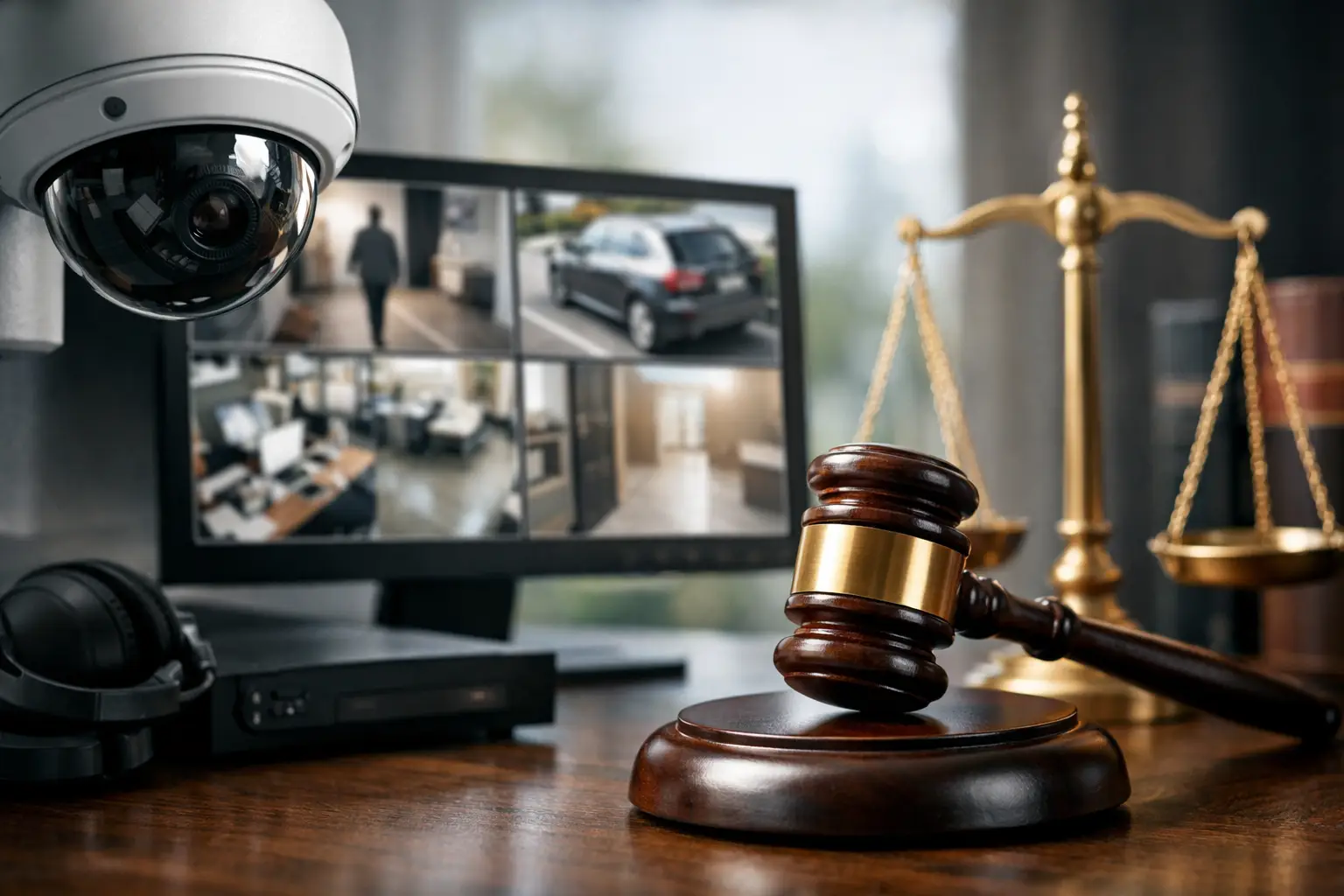
A claim is easy to make. Proof is harder. Whether the issue is a suspected fraudulent injury claim, unpaid child support, a hidden-asset dispute, or a spouse whose story keeps changing, the question is not simply whether someone is being watched. It is how surveillance evidence is collected so the facts can withstand scrutiny from an attorney, an insurer, a judge, or the person being investigated.
Good surveillance is not someone sitting in a car with a camera and hoping for a lucky break. It is a disciplined process built around lawful observation, accurate identification, clean documentation, and evidence that tells a complete story instead of a misleading fragment.
A professional investigation begins long before an investigator turns on a camera. The first job is defining what must be proved. In an insurance matter, that may mean determining whether a claimant who reports severe physical limitations is performing activities inconsistent with those allegations. In a child support case, it may mean documenting work activity, an undisclosed residence, or signs of income that do not match sworn financial disclosures.
The investigator reviews the known facts: names, physical descriptions, vehicles, addresses, work schedules, prior reports, public records, photographs, and information supplied by the client or counsel. This intelligence helps confirm the correct subject and identify practical locations for lawful observation. Guessing is not a strategy. A surveillance operation that starts with bad intelligence can produce footage of the wrong person, wasted hours, and evidence that is useless when it counts.
Once the assignment is clear, field surveillance typically takes place from public streets, publicly accessible areas, or other locations where the investigator has a legal right to be. The subject may be observed leaving a residence, arriving at a job site, shopping, exercising, loading materials, traveling, or interacting with others. The point is not to manufacture a narrative. It is to record what actually happens.
Video of a person doing physical work means little if no one can reliably establish who that person is. A seasoned investigator looks for identifiers that connect the subject to the activity: a clear facial view, a known vehicle, a residence, companions, clothing descriptions, or a documented sequence from one known location to another.
This is why surveillance often requires patience. The most dramatic moment is not always the most valuable one. A short clip of someone lifting a box may invite an explanation. Video showing the same identified person driving, unloading equipment, walking normally for an extended period, and performing repeated physical tasks supplies context. Context is where weak accusations fall apart and credible evidence gains weight.
Modern surveillance may involve video, still photography, time-stamped observations, and contemporaneous field notes. Each has a role. Video can show motion, duration, and behavior. Photographs can isolate a vehicle tag, a location, or a person’s appearance. Notes preserve details a camera may not capture, including weather conditions, directions of travel, the sequence of events, and the investigator’s position.
A professional report should state dates, times, locations, observations, and the actions taken to identify the subject. It should separate direct observation from information received from another source. That distinction matters. A report that blurs rumor, opinion, and fact creates problems for everyone relying on it.
The best evidence is worthless if it was collected unlawfully. Private investigators are not above the law, and neither are clients who believe a personal dispute gives them permission to invade someone’s privacy.
As a general rule, observation in a public place carries fewer privacy concerns than recording someone inside a private home. But the law is not one-size-fits-all. State laws, local ordinances, recording-consent rules, licensing requirements, and the specific circumstances of the case all matter. An investigator must know where lawful observation ends.
Illegal entry, trespass, hidden cameras in places where people reasonably expect privacy, unlawful audio recording, hacking accounts, and accessing protected data without authorization can expose the investigator and client to serious consequences. Those shortcuts also hand the other side an argument that can damage an otherwise legitimate case.
GPS tracking deserves particular caution. Rules governing tracking devices and location information can depend on ownership of the vehicle, consent, the relationship between the parties, court orders, and state law. The same is true of drones. A piece of technology is not a license to ignore privacy rights or aviation restrictions.
The hard truth is that ethical, lawful surveillance is sometimes slower than people want. A subject may stay indoors. A key event may occur on private property. Conditions may prevent a clear view. That does not justify cutting corners. It means adjusting the investigative plan, using legitimate records research where appropriate, conducting witness work, or returning at a more productive time.
Collecting footage is only half the job. Preserving it correctly is what allows others to trust it later.
Original video files should be retained in their original format whenever possible. Investigators should avoid editing, altering, or overwriting source material. If a shorter clip is created for review, the original should remain preserved. File names, recording dates, equipment details, transfer history, and storage procedures should be documented well enough to explain where the evidence came from and how it was handled.
This is commonly called chain of custody. It is not courtroom theater. It answers practical questions: Who recorded this? When? Where was it stored? Was it changed? Who had access to it? If those questions cannot be answered, opposing counsel may argue the footage is incomplete, manipulated, or unreliable.
Metadata can also matter. Digital files may retain information about creation dates, devices, and other technical details. That information should be preserved, not casually stripped away. Sending video through text messages, social media platforms, or repeated conversions can reduce quality and create confusion about the original source.
A strong surveillance report does not exaggerate. It does not diagnose a medical condition from a distance, declare that someone is lying, or tell a court what conclusion it must reach. It documents behavior with precision.
For example, the report may state that an identified individual carried two bags of materials from a vehicle to a residence, climbed stairs repeatedly, bent at the waist, and worked for a stated period without visible assistance. The attorney, insurer, or fact-finder can compare that documented activity with the person’s claimed limitations or financial statements.
Precision protects the case. Overstatement gives the other side something to attack. Facts are harder to shake.
Surveillance is rarely successful because an investigator happened to record one surprising moment. The assignment needs a reasoned plan. Work hours, medical appointments, court dates, known travel patterns, seasonal work, business operations, and other case-specific details can help determine when observation is likely to be productive.
At the same time, investigators must remain flexible. The subject may use a different vehicle, change routines, travel unexpectedly, or take steps to avoid being seen. Counter-surveillance awareness matters, but it must never become harassment. A professional investigator knows when to maintain distance, when to discontinue an unproductive position, and when to return with a better approach.
Context also prevents unfair conclusions. Someone with an injury may have a legitimate good day, may be acting within medical restrictions, or may perform a brief task that does not disprove a claim. Surveillance evidence must be evaluated alongside the full record. The goal is verified information, not a gotcha moment.
Clients often have information that can dramatically improve an investigation, but it needs to be organized and relevant. Useful materials include recent photographs, accurate addresses, vehicle details, work schedules, social media information obtained lawfully, court filings, claim documents, known associates, and a clear explanation of the disputed facts.
Do not embellish or withhold inconvenient details. Tell the investigator what you know, what you suspect, and what you cannot prove. A clean briefing lets the investigator build an objective plan instead of chasing a conclusion the facts may not support.
For attorneys and claims professionals, it also helps to identify the evidentiary purpose from the start. Are you seeking leverage for settlement discussions, corroboration for a deposition, information for a hearing, or evidence that may require testimony? The answer affects reporting, preservation, timing, and the scope of the work.
Surveillance is not about drama. It is about obtaining lawful, properly documented facts when a person’s words, financial disclosures, or claimed condition do not match what may be happening in real life. With more than four decades of investigative experience, Vinny Parco Consulting understands that the strongest case is built patiently, one verifiable detail at a time.
If the stakes are financial, legal, or deeply personal, do not rely on assumptions or amateur evidence. Bring the facts into focus, preserve them correctly, and let the evidence speak where accusations cannot.
Copyright © 2026. Vinny Parco Consulting. All rights reserved.